

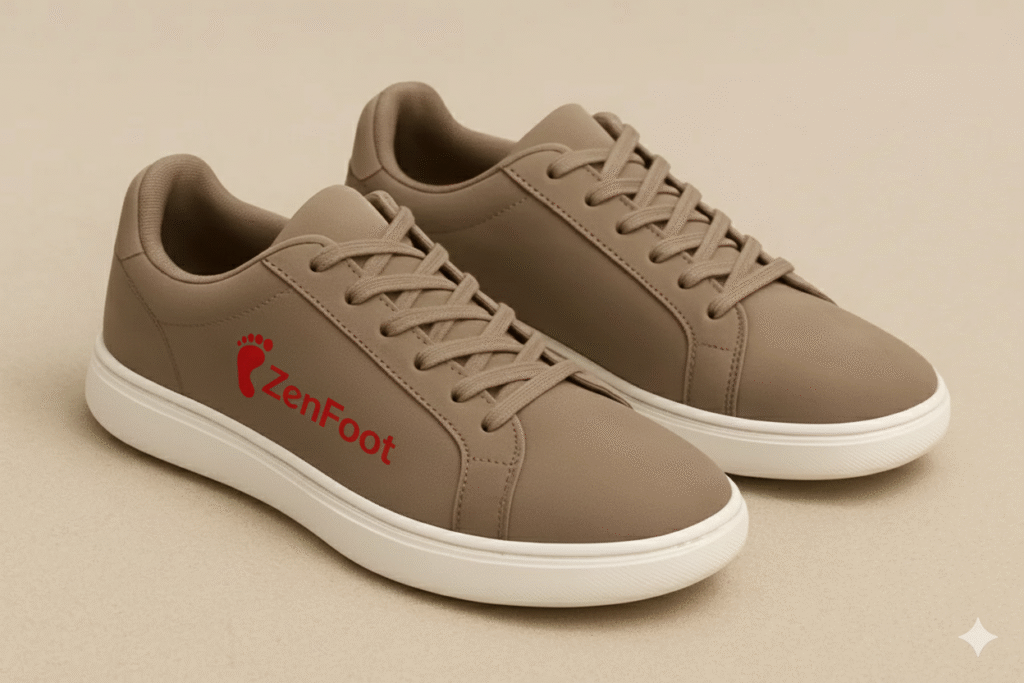
Finding the perfect pair of sneakers may sound simple, but anyone who has bought the wrong pair knows how painful and frustrating it can be. Sneakers are no longer just shoes; they’re an everyday necessity, a style statement, and a support system for your feet. Whether you’re walking, running, commuting, or simply styling your daily outfits, the right sneakers make all the difference.
In India, the sneaker culture has grown massively over the last few years. People are becoming more health-conscious, fashion-aware, and comfort-focused. As a result, sneaker shelves—both online and offline—are overflowing with choices. But with so many options, how do you know which sneaker is actually right for you?
This guide will walk you through everything you need to know to pick the perfect pair—comfort, fit, material, activity type, sizing, and even long-term care. By the end, you’ll have complete clarity and confidence while buying your next sneakers.
1. Why Choosing the Right Sneakers Matters
Most people think sneakers are just casual footwear, but they play a huge role in foot health. Wearing the wrong type can lead to:
- Foot pain
- Knee pain
- Heel discomfort
- Blisters and skin irritation
- Long-term posture issues
- Reduced exercise performance
On the other hand, the right sneakers can:
- Improve your walking and running efficiency
- Reduce pressure on joints
- Keep your feet fresh and sweat-free
- Enhance your confidence
- Add style to your outfits
So choosing the right pair isn’t just a fashion decision—it’s a decision for your comfort, health, and daily lifestyle.
2. Start by Understanding Your Foot Type
Before buying sneakers, it’s important to know how your feet behave. Every person has a unique foot structure. The three most common types are:
a. Flat Feet
If your entire foot touches the ground while walking, you have flat feet.
What you need:
- Arch support
- Stability sneakers
- Cushioned midsoles
These sneakers help maintain proper posture and prevent pain in your heels and knees.
b. High Arches
If your foot forms a high curve, you need more cushioning.
What you need:
- Soft, flexible sneakers
- Extra cushioning under the midfoot
- Lower heel drop
High arch feet absorb less shock naturally, so cushioned shoes help reduce impact.
c. Neutral Feet
If your feet have a natural arch, most standard sneakers will work well.
What you need:
- Neutral running/walking sneakers
- Moderate cushioning
- Lightweight design
Knowing your foot type instantly narrows your choices and ensures long-term comfort.
3. Choose Sneakers Based on Your Activity
A big mistake people make is using the same sneakers for everything. But each activity needs different support.
a. Walking Sneakers
- Lightweight
- Flexible sole
- Soft cushioning
- Breathable mesh upper
Perfect for office workers, students, travellers, and anyone who walks for long hours.
b. Running Sneakers
- Shock-absorbing midsoles
- Durable outsoles
- Heel stability
- Energy return foam
Running puts more pressure on the feet, so proper cushioning is crucial.
c. Training / Gym Sneakers
- Flat base
- Lateral support
- Non-slip grip
These are designed for weightlifting, cardio, and strength training.
d. Lifestyle / Casual Sneakers
- Stylish designs
- Comfortable for all-day use
- Lightweight or chunky depending on fashion preference
These sneakers are perfect for daily styling, college, office, and outings.
Choosing based on your lifestyle ensures maximum performance and comfort.
4. Understand the Material: It Matters More Than You Think
Sneakers come in different materials, and each has its own advantages.
a. Mesh Fabric
- Lightweight
- Breathable
- Best for walking, running, hot weather
Great for Indian summers where sweat and heat are common issues.
b. Synthetic Leather
- Premium look
- Easy to clean
- Ideal for casual wear
Perfect for dressing up or pairing with jeans and formal-casual outfits.
c. Knit Material
- Sock-like comfort
- Stretchable and flexible
- Looks stylish
Perfect for long hours of walking, travel, and everyday comfort.
d. Rubber Outsole
- Strong grip
- Durable
- Suitable for every terrain
Always check the sole pattern—more grooves mean better grip.
5. Cushioning: The Heart of the Sneaker
Good cushioning protects your feet from impact. Here are the common types:
a. EVA Foam
- Lightweight
- Common in walking and running shoes
- Soft and bouncy
b. Memory Foam
- Adapts to foot shape
- Very comfortable
- Ideal for daily use
c. Air / Gel / Boost Foam
- High-end cushioning
- Great shock absorption
- Perfect for runners and active users
Better cushioning = better comfort and reduced foot fatigue.
6. Size and Fit: Don’t Compromise
Choosing the wrong size is one of the biggest causes of foot pain.
a. Always Leave Some Toe Space
A small gap (about half an inch) helps your toes move naturally.
b. Try Sneakers in the Evening
Feet usually swell throughout the day. Evening size is the most accurate.
c. Check Width
If your feet are wide, look for “Wide Fit” options.
Tight sneakers cause discomfort, blisters, and toe pressure.
d. Socks Matter
The thickness of your socks affects the fit. Always test with the socks you normally wear.
e. Walk 10–15 steps when trying
This gives you a real feel of comfort and grip.
7. Weight of the Shoe
a. Lightweight Sneakers
- Perfect for walking
- Good for travel
- Comfortable for long hours
b. Medium Weight Sneakers
- Best for runners
- Perfect balance of support + cushioning
Avoid overly heavy sneakers unless they’re designed for training.
8. Keep Indian Weather in Mind
India has hot summers, humid monsoons, and mild winters. Choose accordingly:
1. For Summers:
- Breathable mesh
- Lightweight
- Sweat-resistant insole
2. For Monsoons:
- Water-resistant designs
- Rubber grip
- Easy-to-clean material
3. For Daily Use:
- Durable outsole
- Comfortable cushioning
- Stylish yet functional
Picking sneakers suitable for the weather increases their life and keeps your feet healthy.
9. Consider Your Personal Style
Your sneaker should match your personality and wardrobe.
1. Minimal Style Lovers:
- White, black, beige sneakers
- Clean design
- All-purpose look
2. Bold Style Lovers:
- Bright colours
- Chunky soles
- Eye-catching patterns
3. Sporty Look:
- Running-inspired sneakers
- Multi-texture designs
- Athletic shape
Choosing based on your style gives you more confidence and helps you enjoy your sneakers.
10. Budget vs Value: What Should You Choose?
Expensive doesn’t always mean better.
Affordable doesn’t always mean low quality.
Under ₹1500:
- Great for casual daily use
- Lightweight walking shoes
- Simple designs
₹1500 – ₹3500:
- Better cushioning
- Durable build
- Stylish designs
- Good for walking + daily wear
₹3500 – ₹7000:
- Premium comfort
- Long-lasting outsoles
- Professional running or training
Choose based on what you actually need, not just the brand.
11. Check These 6 Things Before Buying
- Flexibility – Bends near the toe area, not the middle
- Arch Support – Matches your foot type
- Heel Stability – Shouldn’t slip while walking
- Outsole Grip – Check the groove pattern
- Breathability – Especially important in India
- Weight – Should feel natural on your feet
12. Break In Your New Sneakers
Even the perfect pair needs time to adjust.
- Wear them for 30–40 minutes on the first day
- Increase usage gradually
- Use good socks
- Avoid long walks immediately
This prevents discomfort and helps the sneakers mold to your feet.
13. Sneaker Care Tips for Long Life
- Clean dust after every use
- Air-dry only—never expose to direct sunlight
- Use sneaker shampoo for deep cleaning
- Avoid wearing the same pair daily
- Store them in a cool, dry place
Well-maintained sneakers last longer and stay fresh.
14. Final Thoughts: The Perfect Pair is Personal
Choosing the right sneakers isn’t just about looks—it’s about comfort, confidence, and daily lifestyle. The right pair can transform your walk, support your posture, boost your style, and keep your feet happy all day.
So the next time you shop, remember:
- Know your foot type
- Choose based on activity
- Prioritize comfort
- Pick breathable materials
- Ensure perfect fit
- Match your style
- Buy value, not just brands
When you understand what your feet need, finding the perfect sneakers becomes easy—and your daily walk becomes 10 times better.